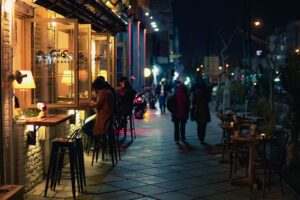
Tehran, Adrift
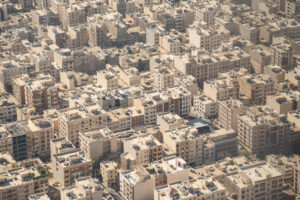
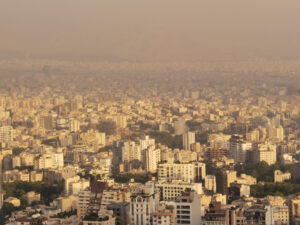
Tehran is like a sea—you can’t see where it begins or ends.
Tehran is like a sea—you can’t see where it begins or ends.
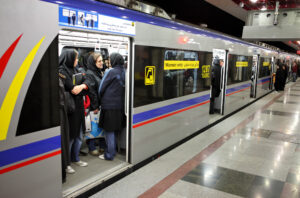
Tehran is a big city with big-city behaviors, maybe like New York.
“Out of nowhere, one of the boys in the class, Amir, turned his head in surprise and asked, ‘Do Kurds even know anything about financial markets?’ The room became heavy with tension.”
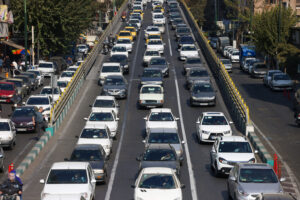
I turned onto the street and saw two guys standing there with Kalashnikovs in their hands. I had never seen traffic cops with Kalashnikovs before.
“He turned back and said, ‘I want nothing more than for you to leave as soon as possible. What if you set off a grenade here?”
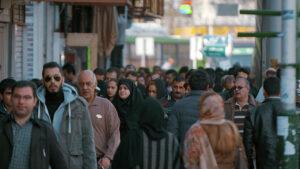
“I trained myself to speak perfect Persian, mimicking the Tehrani accent so well that even my teachers couldn’t place me… They would ask, ‘Are you from somewhere near Tehran?’ and I would smile, pretending not to be proud of the answer I had long rehearsed: ‘No, I’m just Kurdish from here.’”
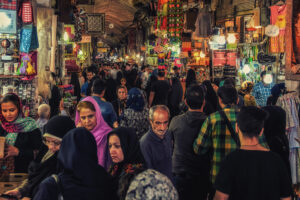
To me, Tehran is like its own planet—an isolated globe. One side tells one kind of story, and the other side tells a completely different one.
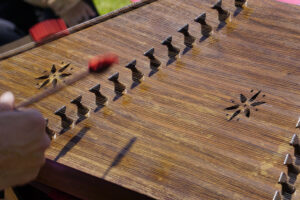
He stands two meters tall, bakes his own barbari bread in Belgrade, and taught himself the santoor without a teacher. Meet the Serbian professor who found his second home in Isfahan.
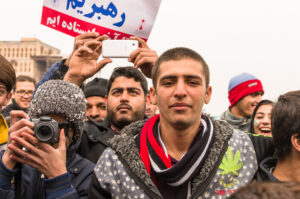
She debated Argo with the Basij, crashed a secret military base, and survived a staged interrogation. A German student’s dispatch from a surreal and unforgettable year in Tehran.
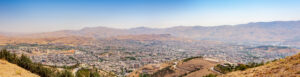
The Zan, Zendegi, Azadi movement showed that Persian and non-Persian, Kurd, Baluch, or any other ethnicity in Iran, are all actually on the same side.